
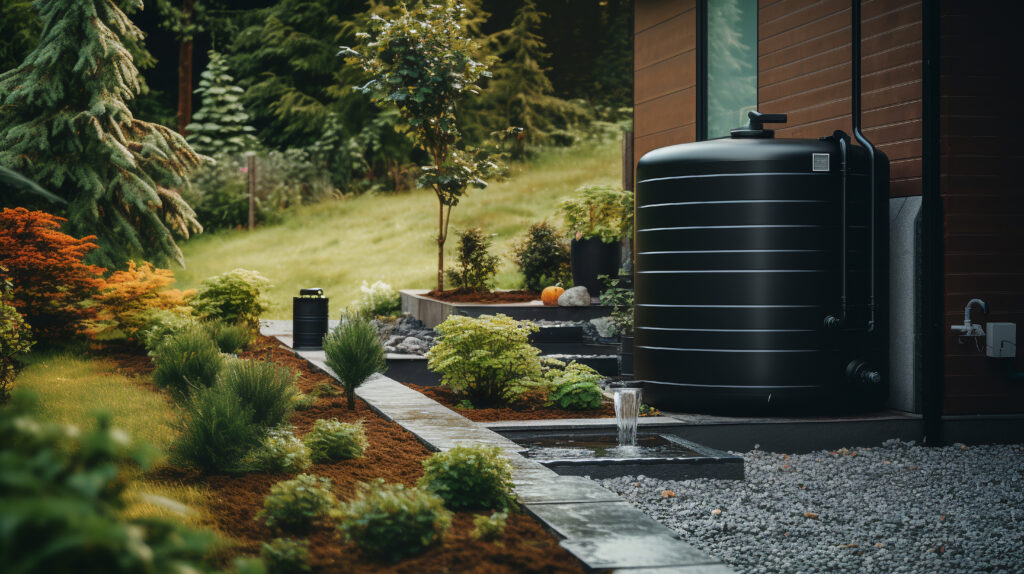
Water is one of the most valuable resources we use every day, yet it is often wasted in small ways that add up over time. With increasing water scarcity and growing awareness about sustainability, many households are now exploring practical ways to conserve water. Learning how to reuse water at home is one of the simplest steps families can take to reduce water waste and make better use of available resources.
From installing a rainwater harvesting system to reusing greywater for gardening, small changes in daily habits can make a significant difference. Many of these approaches are also connected to broader wastewater treatment and water recycling practices that help communities manage water more efficiently.
Below are 10 ways to reuse water at home and build more sustainable water habits.
- Install a Rainwater Harvesting System
One of the most effective ways to conserve water is through rainwater harvesting. A home rain water harvesting system collects rainwater from rooftops and stores it for later use. This rain water collection can then be used for gardening, washing outdoor areas, or cleaning vehicles.
Rainwater harvesting reduces dependence on municipal water supplies and supports sustainable water use at the household level.
- Reuse Greywater for Irrigation
Greywater refers to lightly used water from sinks, showers, and washing machines. With a recycle grey water system, this water can be redirected for irrigation in gardens or landscaping areas, where local regulations allow it.
Greywater reuse is a simple example of how basic water treatment and filtration practices can help households use water more efficiently instead of letting it go to waste.
- Use Water-Efficient Fixtures
Installing water-efficient fixtures is one of the easiest ways to reduce daily water consumption. Low-flow taps, efficient showerheads, and dual-flush toilets help minimize water usage while maintaining performance.
These small improvements not only reduce household water bills but also support larger efforts in sustainable water management and wastewater treatment.
- Reuse Water from Washing Fruits and Vegetables
The water used to rinse fruits and vegetables can easily be collected and reused. Instead of pouring it down the drain, use it to water plants or garden beds. This small habit is a simple way to reuse water at home without installing any additional systems.
- Collect Water from RO Systems or Air Conditioners
Many households overlook the water produced by air conditioners and reverse osmosis (RO) water purifiers. This water can be collected and reused for cleaning outdoor spaces, mopping floors, or watering plants.
Practices like this highlight how even small steps contribute to the broader goal of water recycling and efficient wastewater management.
- Water Plants During the Right Time
Watering plants during early morning or evening helps reduce evaporation. This ensures plants absorb more moisture and reduces the total amount of water required for gardening.
Efficient irrigation practices are a simple but effective way to manage water resources at home.
- Fix Leaking Taps and Pipes
A leaking tap may seem insignificant, but over time it can waste a large amount of water. Regularly checking plumbing fixtures and fixing leaks quickly can prevent unnecessary water loss and improve overall water efficiency.
- Use Buckets Instead of Hoses
When washing cars or cleaning outdoor spaces, using a bucket instead of a hose can save a surprising amount of water. Buckets give you better control over how much water is used compared to continuously running hoses.
- Choose Drought-Resistant Plants
Planting native or drought-resistant plants is another effective way to reduce water consumption at home. These plants require less irrigation and are better suited to local climate conditions.
- Encourage Responsible Water Habits
Educating family members about responsible water use is just as important as installing water-saving systems. Simple habits such as turning off taps when brushing teeth or using water efficiently during daily chores can make a meaningful difference.
Conclusion
Making small changes at home can have a big impact on water conservation. By adopting these 10 ways to reuse water at home, households can reduce water waste, lower water bills, and contribute to a more sustainable future.
Solutions such as rainwater harvesting, rain water collection, and recycle grey water systems show how water can be reused effectively instead of being wasted. At a larger scale, advanced wastewater treatment and water recycling technologies play an important role in helping communities and industries manage water responsibly.